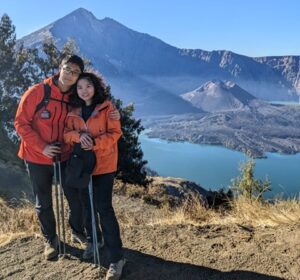
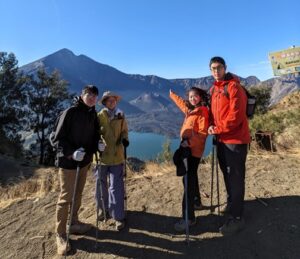
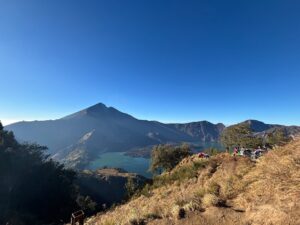
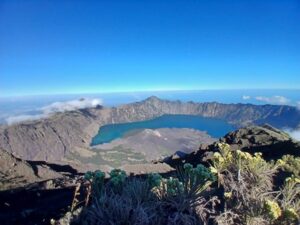
Mount Rinjani trekking in Lombok is a high-altitude hike on an active volcano inside Mount Rinjani National Park. It is known for steep climbs, volcanic terrain, and big temperature changes between day and night. First-time hikers can absolutely enjoy it, as long as they choose a realistic route and prepare for the conditions.
This guide explains what to expect, how to plan, what to pack, and how to stay safe. It is written for people who want clear steps, not vague motivation.
What Mount Rinjani Trekking Is Really Like
Rinjani is not a “walk in the park.” Many sections are long and uphill, with dusty or loose ground that can make footing unstable. Descents can be just as challenging because they put pressure on knees and ankles. If you are used to flat workouts, the first day can feel tougher than expected.
Weather is another factor. Lombok may feel warm at sea level, but higher elevations can be cold, windy, and foggy, especially before sunrise. Your comfort depends on layering and staying dry. When you plan around these realities, the trek becomes far more enjoyable and safer.
Best Route Choice for First-Time Hikers
For first-timers, the smartest choice is the route that matches your fitness and time, not just the most famous photo spot. Many trips focus on one of three goals: crater rim views, Segara Anak crater lake, or the summit. The summit is the most demanding because it usually starts very early and involves loose volcanic sand that can make progress slow.
A practical way to decide is to use this checklist:
- If you want the best views with a shorter trip, aim for the crater rim experience.
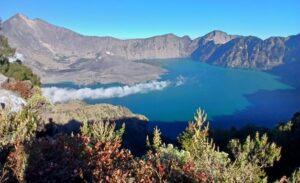
- If you want the full volcanic landscape, choose a route that includes Segara Anak lake.
- If you want the biggest physical challenge, add a summit attempt, but only if your legs and endurance are ready.
If you are unsure, choose the more conservative option. You will enjoy the scenery more when you are not exhausted or rushing.
Physical Prep and Trekking Safety Basics
You do not need to be an athlete, but you do need base endurance and strong legs. The most helpful training is a mix of long walks, stair climbing, and downhill practice. Downhill training matters because many hikers feel fine going up, then struggle on the way down.
On the mountain, safety is mostly about pacing and decisions. Start slower than you think you should, drink regularly, and eat small portions often. Pay attention to early signs of dehydration or altitude discomfort, such as headache, nausea, or unusual fatigue. If you feel worse over time, communicate early. Do not “push through” in silence.
A few simple habits make a big difference:
- Use a headlamp for early hiking and keep spare batteries.
- Keep a light rain layer accessible, not buried in your bag.
- Protect your skin with sunscreen and a hat, even when it is cloudy.
- Stay on the main trail to avoid slips and reduce erosion.
What to Pack for a Comfortable Rinjani Trek
Packing for Rinjani is about balance. Too little and you suffer. Too much and you tire faster. Focus on essentials that manage cold, sun, and changing weather. Footwear matters more than brand. Choose shoes with grip and a fit you have already tested.
A solid first-timer packing list includes:
- Warm layers for early morning, including a jacket and long pants
- Rain jacket or poncho and a dry bag for electronics
- Hiking shoes with grip and comfortable socks, plus one spare pair
- Headlamp, small first aid kit, and personal medication
- Refillable water bottle and simple snacks you like
- Sun protection: sunscreen, sunglasses, and hat
If you tend to get sore knees, consider a knee support and trekking poles. Poles are especially helpful on long descents.
Booking Information
If you want help planning your Mount Rinjani trek, you can book through Rinjani Hero at this contact. Call Phone: +6285338938083 to discuss route options, dates, and logistics based on your fitness and time. For written details, email herorinjani@gmail.com and include your preferred trekking dates, group size, and whether you want crater rim, lake, or summit. The contact address is Jln. Senaru-Bayan Lombok Utara, NTB, Indonesia (83354), which is close to a well-known trekking gateway and practical for coordination.
FAQ
Q: Is Mount Rinjani trekking okay for first-time hikers?
A: Yes, if you pick a beginner-friendly plan and pace yourself. Go for the crater rim or a shorter route first, then consider the summit on a future trip.
Q: How many days should I plan for my first Rinjani trek?
A: If you want a manageable first experience, choose a route that fits your stamina and schedule. Longer does not always mean better, because fatigue can reduce enjoyment and safety.
Q: What is the hardest part of Rinjani?
A: The steep sections and loose volcanic ground can be tough, especially on summit attempts and long descents. Most people underestimate how tiring the downhill can feel.
Q: Do I really need a guide?
A: Strongly recommended. A guide helps with route decisions, pacing, safety, and practical logistics. It also keeps your trek aligned with national park rules.
Q: What should I send when I book?
A: Just send your dates, group size, preferred route goal, and your fitness level. If you have an injury, asthma, or special dietary needs, mention it early so the plan can be adjusted.