When is the Best Time to Hike Mount Rinjani?
Timing is everything when it comes to standing on the rim of an active volcano. Because Mount Rinjani reaches an elevation of 3,726m, the weather patterns at the summit are vastly different from the tropical heat at the base. Choosing the right month ensures not only your safety but also the quality of the “full view” you expect of the Segara Anak lake and the surrounding islands. A mist-covered mountain can be atmospheric, but most trekkers aim for the crystal-clear blue skies that define the Lombok experience.
The Rinjani National Park typically operates on a seasonal schedule, closing during the peak of the rainy season for safety and ecosystem recovery. For international trekkers from countries like Australia, England, and Germany, aligning your holiday with the dry season is essential. Whether you are planning a 2-day trekking program to the Senaru Crater Rim or the ultimate 4-day/3-night summit expedition, understanding the mountain’s calendar is the first step in your preparation with a professional provider like Rinjani Hero.
The Peak Season: May to September
The absolute best time to hike Mount Rinjani is during the dry season, which spans from May to September. During these months, the chance of rain is minimal, and the trails are stable. July and August are the busiest months, coinciding with international summer holidays. During this period, the visibility is at its peak; you can clearly see the “New Volcano” (Baru Jari) sitting in the middle of the lake and even catch a glimpse of Mount Agung in Bali across the sea.
However, being the “best time” also means it is the most crowded. If you prefer a quieter experience, May, June, and September are fantastic alternatives. These months offer the same clear skies but with fewer people on the “7 Regret Hills” of the Sembalun route. Rinjani Hero, which has been operating since 2012, recommends booking your Private Trek Service early during these months to secure the best guides and accommodation in Senaru.
The Shoulder Season: April, October, and November
The shoulder months offer a different kind of beauty but come with increased risk. April is the month when the park usually reopens after the rainy season. The landscape is incredibly lush and green, making the “Panorama Walk” in Senaru and the trek through the tropical rainforest particularly vibrant. October and November mark the transition back into the rainy season, where you might encounter afternoon showers.
Trekking during the shoulder season requires a “good level of fitness” and better gear, as the paths can become slippery. The advantage is that the mountain is much quieter, and you feel a deeper sense of solitude. Professional companies provide high-quality waterproof tents and equipment to ensure you stay dry during a sudden downpour. It is a gamble with the weather, but for many, the sight of a misty Rinjani is an “impressive” and mysterious experience worth the risk.
Logistics and Seasonal Preparation
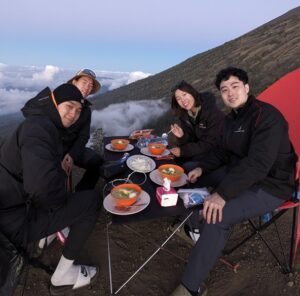
Regardless of when you choose to go, the service provided by a legal company ensures that seasonal challenges are managed. During the windy months of August, for example, your guide will know exactly where to pitch the tents to stay shielded from the gusts. Rinjani Hero provides all the essential equipment—including headlamps, trekking poles, and even a dinner table—so you don’t have to worry about the logistics of the changing seasons.
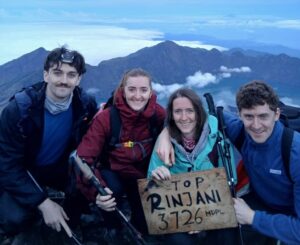
Your package will include one night of accommodation in Senaru on the day of your arrival, which is a perfect time to get a weather briefing from your local, professional, and English-speaking guides. They monitor the National Park updates daily to ensure that the “safety as well as nature preservation” remains the main priority. From airport transfers to providing all camping gear, food, and drink, a full-service provider makes the 3,726m struggle a pleasing adventure no matter the month.
Frequently Asked Questions
When exactly does the Rinjani National Park close?
Typically, the park is closed from January to March due to heavy monsoon rains and strong winds, which make the trails dangerous. It usually reopens in early April. However, the exact dates depend on the official decree from the Rinjani National Park Authority (TNGR), so it’s best to check with Rinjani Hero before booking your flights.
Is it too cold to hike in the middle of the year?
While the days are warm and sunny, the nights at the crater rim (2,600m) and the summit (3,726m) can be very cold, sometimes dropping to 5°C or lower. Even in the “best” months like July, you must bring a warm jacket. Your guide will provide high-quality sleeping bags and mats to keep you warm during your camping nights.
Can I still see the waterfalls if it’s the dry season?
Yes! The Sendang Gile and Tiu Kelep waterfalls in Senaru flow year-round because they are fed by the Segara Anak lake. In fact, visiting the waterfalls as a “bonus” to your trek is often more enjoyable in the dry season because the water is clearer and the jungle paths are not muddy.
What happens if it rains during my trek?
If you are trekking with a professional team, they are prepared. Porters will quickly set up waterproof tents, and guides will ensure everyone stays safe on the steeper sections. If the weather becomes truly dangerous (like high winds on the summit), the guide has the authority to cancel the summit push to ensure everyone’s safety—this is why choosing an experienced company is vital.