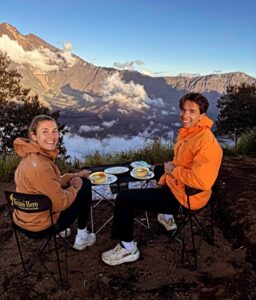
 Mount Rinjani is an active volcano and the most iconic mountain on Lombok Island, Indonesia. With an elevation of about 3,726 meters (12,224 ft), it is one of the highest peaks in the country and a major landmark in West Nusa Tenggara (NTB). Rinjani is best known for its dramatic crater landscape and the famous crater lake, Segara Anak.
This mountain is not only a trekking destination. It is also part of a protected conservation area, where volcanic terrain, highland forests, and local culture meet in one place. If you want a clear, practical answer: Mount Rinjani is a high volcano on Lombok, and it sits inside Mount Rinjani National Park.
Overview: What Makes Mount Rinjani Special
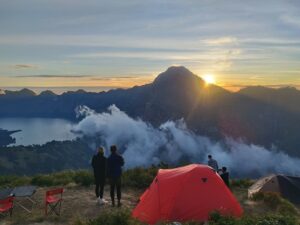
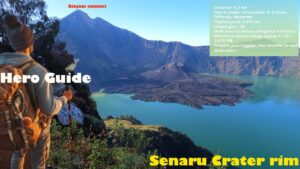
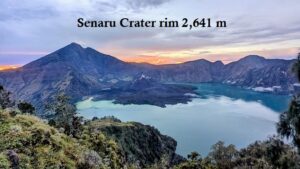
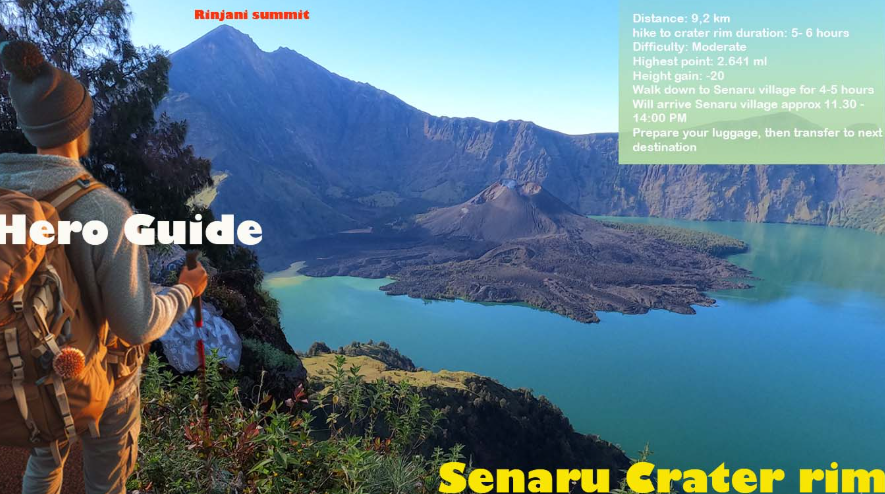
Mount Rinjani stands out because it is a “volcano complex” rather than a single simple cone. The mountain has a wide caldera, and inside that caldera lies Segara Anak Lake. Near the lake, you can also see a smaller active cone often referred to as Mount Barujari, which is part of Rinjani’s ongoing volcanic system.
For travelers, this matters because the scenery changes fast as you gain altitude. On many routes you move from open grassland to dense forest, then into colder highland zones. The shift in temperature, wind, and visibility is real, so planning needs to be based on the mountain’s conditions, not just the distance.
Where Mount Rinjani Is Located
Mount Rinjani is located on Lombok Island, in West Nusa Tenggara (NTB), Indonesia. Lombok sits east of Bali, and Rinjani dominates the northern part of the island. Administratively, the national park area spans multiple regions, including parts of North Lombok and surrounding districts.
In practical terms, most trekkers access Rinjani through established trail gateways in North Lombok. One well-known approach is via the Senaru area, which connects to routes toward the crater rim and the lake. Location-wise, it’s accurate to describe Rinjani as a northern Lombok mountain that is reachable by road from Lombok’s main towns, then continued on foot through official trekking routes.
Key Landmarks Inside the Rinjani Area
The most famous landmark is Segara Anak Lake, a crater lake that sits deep within the caldera. It is a central highlight because it combines volcanic views, a sense of scale, and a remote atmosphere that feels different from typical mountain lakes. On clear days, the caldera walls and surrounding ridgelines create a natural amphitheater around the water.
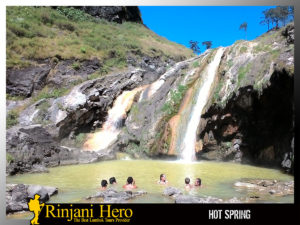
Another key landmark is the inner cone (Barujari), visible from many points around the lake. This feature helps you understand that Rinjani is still active. You may also encounter natural hot spring areas in the caldera zone, depending on the route and current access rules. Because volcanic areas can change over time, always follow official guidance and local instructions.
A few common viewpoint goals (varies by route) include:
- Crater rim panoramas for sunrise and lake views
- Caldera viewpoints that show the inner cone clearly
- Trail sections with wide Lombok coastline visibility in good weather
Practical Notes for First-Time Visitors
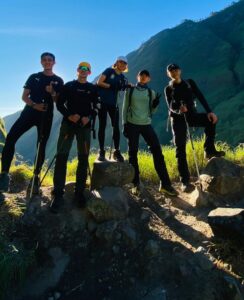
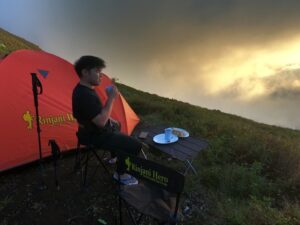
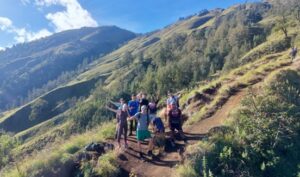
Mount Rinjani trekking is typically multi-day and physically demanding. The terrain includes steep climbs, loose volcanic gravel, and long descents that stress knees and ankles. A smart plan focuses on safety, pacing, and weather awareness, not just “reaching the summit.”
To keep your trip smooth, prioritize these basics:
- Trek with proper permits and follow national park rules
- Use layered clothing; temperatures can drop sharply at higher altitude
- Bring sun protection; exposed ridges can be intense
- Prepare for limited signal and basic facilities in remote zones
For an evergreen rule of thumb: the best experience comes from choosing the right route and duration for your fitness, then matching it with realistic daily hiking targets.
Booking Information
If you want help planning a Mount Rinjani trek, you can contact the Rinjani Hero team directly. For fast coordination on routes, dates, and logistics, reach out by phone at +6285338938083. If you prefer details in writing, email herorinjani@gmail.com with your preferred trekking dates, group size, and any special needs.
You can also visit or send inquiries to the address: Jln. Senaru-Bayan, North Lombok, NTB, Indonesia (83354). This location is strategically close to one of the most recognized trekking gateways, making it practical for arranging pick-up points and pre-trek briefings.
FAQ
Q: Is Mount Rinjani in Bali?
A: Nope. Rinjani is on Lombok Island, which is east of Bali. People often combine both islands in one trip, but the mountain itself is definitely Lombok.
Q: What’s the difference between Mount Rinjani and Segara Anak?
A: Rinjani is the mountain (volcano). Segara Anak is the crater lake inside Rinjani’s caldera. If you trek to the lake, you’re still within the Rinjani volcanic area.
Q: Can I visit Mount Rinjani without trekking?
A: You can enjoy viewpoints from surrounding areas, but the famous crater rim, lake, and summit experiences require hiking on official trails. If you don’t want a full trek, ask for lighter options around the foothills.
Q: Is Mount Rinjani safe to visit?
A: It can be safe when you follow park rules, check conditions, and trek responsibly. Since it’s an active volcano, conditions can change, so always follow official updates and local guidance.
Q: What should I message when booking?
A: Keep it simple: your dates, group size, preferred route duration, and whether you need transport and meals. If you have health concerns or injuries, mention them early so the plan can be adjusted.