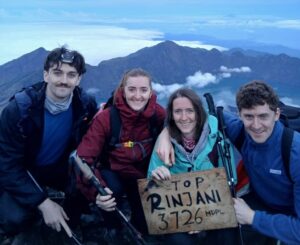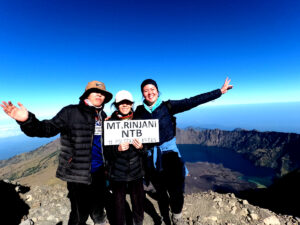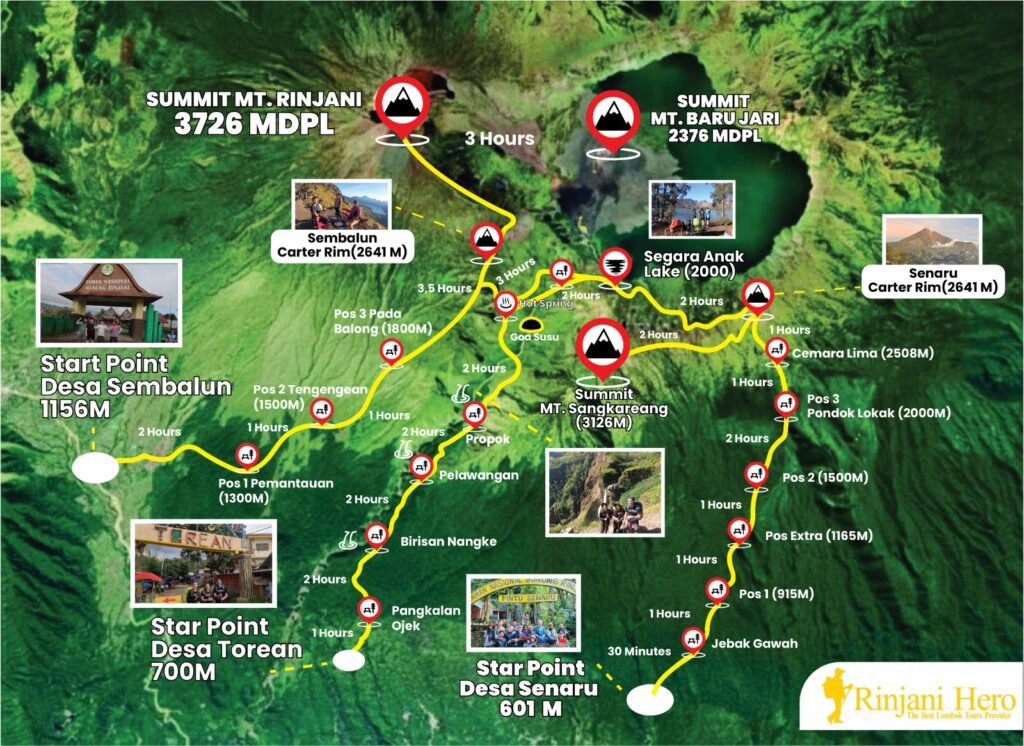
Mount Rinjani trekking is one of the most iconic outdoor experiences in Lombok, Indonesia. The mountain reaches about 3,726 meters above sea level and sits inside Mount Rinjani National Park. First-time visitors often enjoy Rinjani most when they choose a route and package that match their fitness, schedule, and comfort level, instead of chasing the hardest option right away.
Before you plan dates, remember that the national park commonly applies seasonal trail closures for safety and ecosystem recovery. For example, local news reported a closure from January 1, 2026 with reopening planned for late March 2026, so it’s smart to check the latest status close to your travel time.
Routes Overview: Senaru, Sembalun, and Torean
Rinjani has several recognized trekking gateways, and most first-timers compare three main route styles: Senaru, Sembalun, and Torean. Many operators describe these as primary routes used for typical trekking programs, because they are widely supported and familiar to guides and porters.
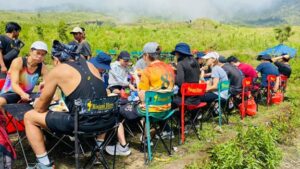
Sembalun is often chosen for summit-focused trips. The terrain is more open, with wide savanna-like views and a gradual feel on certain sections, which can help you settle into a steady pace. Senaru is known for greener, shadier trails through forested foothills and is commonly used for crater rim viewpoints and lake-facing panoramas.
Torean is frequently used as an exit route by trekkers who want variety on the way down. It can deliver dramatic valleys and a different landscape mood compared to returning the same way you came. Route choice matters because it affects your daily elevation gain, your exposure to sun and wind, and how tough the descent will feel on your knees.
Choosing a Package: What You Get Changes the Experience
For first-time hikers, package structure matters more than a small price difference. A well-built Mount Rinjani trekking package usually includes permits, guide support, porters, meals, camping gear, and transport coordination. When these items are unclear, you may end up paying extra later or carrying more weight than expected.
Most packages fall into these practical categories:
- Crater rim focus (shorter, big views, less pressure)
- Lake and hot springs focus (more time in the caldera, good for recovery pace)
- Summit focus (most demanding, usually includes a pre-dawn summit push)
- One-day soft treks near Senaru (best for limited time or a warm-up day)
If you are unsure, pick the package that reduces rushing. Longer itineraries often feel easier because they give you recovery time and flexibility when weather changes.
What to Expect on the Trail: Terrain, Weather, and Altitude
Rinjani difficulty is not only distance. It is the combination of steep climbs, loose volcanic footing, and long descents. Summit sections can include sliding gravel where progress feels slower than expected. Altitude also affects recovery, especially on summit attempts, so pacing becomes more important than speed.
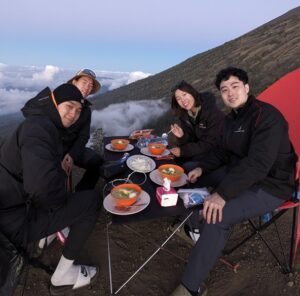
Weather changes quickly with elevation. Lombok can be warm at lower altitudes, while crater rim mornings can feel cold and windy. Your comfort depends on layering and staying dry. Plan for an early start on key days, because many groups aim for sunrise viewpoints when visibility is often better.
Travel Tips That Save First-Timers From Common Mistakes
Start with a realistic fitness assumption. If your daily routine is mostly sitting, choose crater rim or a longer itinerary instead of a fast summit plan. Also, train for downhill stability, not only cardio, because the descent is where many hikers struggle.
Pack for function, not for style. A first-timer essentials approach usually includes shoes with grip, warm layers for pre-sunrise, a rain layer, a headlamp, sun protection, and personal medication. Keep your daypack light so you can hike steadily for hours.
Finally, plan around seasonal access. Because trail closures can occur, verify your trekking dates close to departure and avoid forcing a plan during unsafe conditions.
Booking Information
To plan the best Mount Rinjani trekking route and package for your first trip, contact the Rinjani Hero team. Phone: +6285338938083. Email: herorinjani@gmail.com. Address: Jln. Senaru-Bayan Lombok Utara, NTB, Indonesia (83354). Share your dates, group size, fitness level, and your priority (crater rim, lake and hot springs, summit, or a one-day trek) so the team can recommend the most realistic itinerary.
FAQ
Q: Which route is better for first-time hikers, Senaru or Sembalun?
If you want a softer feel with more forest shade, Senaru often feels friendlier. If your main goal is the summit and you like open landscapes, Sembalun is commonly chosen.
Q: Is the summit a must-do on my first visit?
No. Many first-timers get a better experience by focusing on crater rim sunrise or the lake first, then returning for the summit when they know what the mountain feels like.
Q: What makes lake and hot springs packages popular?
They give you a deeper caldera experience and a more balanced rhythm. It feels less like a race, and the hot springs stop can help recovery after long descents.
Q: When should I avoid trekking Mount Rinjani?
Avoid official closure periods and any time local updates say trails are restricted. Closures can be seasonal and may shift based on weather and safety.
Q: What should I message Rinjani Hero when booking?
Send your dates, group size, hiking experience, and your goal. If you have asthma, knee pain, or dietary needs, mention it early so the plan can be adjusted.