Mount Rinjani Climbing Season: Month-by-Month
Planning your ascent to the second-highest volcanic peak in Indonesia requires a deep understanding of Lombok’s tropical climate. Mount Rinjani’s weather is divided into two main seasons: the dry season and the rainy season. Because the summit sits at 3,726m, the conditions at the top are significantly more extreme than at the base in Senaru or Sembalun. Choosing the right month is the difference between a “full view” of the Segara Anak lake and being stuck in a complete whiteout of mist and rain.
For over a decade, Rinjani Hero has been guiding international trekkers through these seasonal shifts. As a legal company established since 2012, they prioritize safety and nature preservation, ensuring that your trek—whether it’s the Mount Rinjani 2 Days Trekking to Senaru Crater Rim or the full summit loop—is timed for the best possible experience. Below is a month-by-month guide to help you choose the most “pleasing” time for your adventure.
April to June: The Lush Green Transition
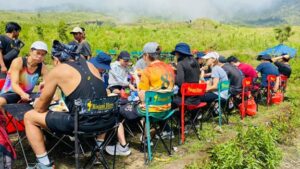
April is the month when the Rinjani National Park typically reopens after the three-month closure for the rainy season. This is a favorite for many because the landscape is incredibly lush and green. The “7 Regret Hills” in Sembalun are covered in fresh grass, and the tropical rainforest in Senaru is vibrant. However, early April can still see occasional afternoon showers, so a “good level of fitness” and waterproof gear are essential.
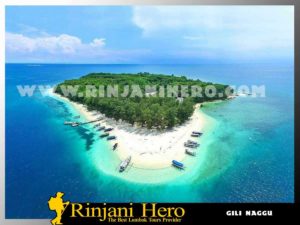
As we move into May and June, the weather stabilizes significantly. The skies become clearer, offering impressive views of the “New Volcano” (Baru Jari) and the surrounding Gili Islands. These months are considered the “shoulder season”—you get the benefits of the dry weather but without the heavy crowds of the mid-summer peak. It is the perfect time for a Private Trek Service if you prefer a quieter mountain experience.
July to September: The Peak Dry Season
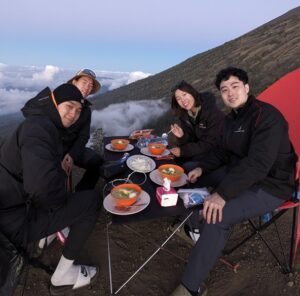
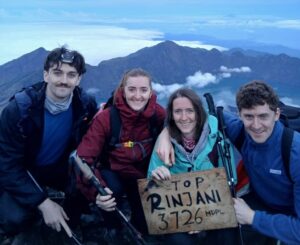
July and August are the most popular months for climbing Rinjani, attracting trekkers from Malaysia, Australia, Europe, and beyond. During this peak season, the chance of rain is almost zero, and the visibility is at its absolute maximum. You are practically guaranteed a stunning sunrise at the 3,726m summit. However, be prepared for cold temperatures at the crater rim, which can drop to 5°C or lower, and a much busier trail.
September remains an excellent time to hike. The weather is still very dry, but the peak summer crowds begin to thin out. The landscape starts to turn into a golden brown “vast landscape” of dry savannah, which has its own unique beauty. Rinjani Hero’s professional guides are well-versed in managing the dust and heat of these months, ensuring that porters provide plenty of hydration and that your campsite is well-chosen for comfort.
October to December: The Quiet Descent
October marks the start of the transition toward the rainy season. While most days are still sunny, you may encounter clouds rolling in earlier in the afternoon. The benefit of trekking in October is the solitude; you will have many of the best photo spots to yourself. By November and December, the frequency of rain increases. Trekking is still possible, but it requires a “struggle” through potentially slippery paths.
During these months, the National Park authority monitors the weather closely. If the rains become too heavy, certain routes like the summit or the descent to the lake may be restricted for safety. By late December, the park usually prepares for its annual closure. Choosing a legal company like Rinjani Hero during these months is vital, as they provide high-quality camping gear—including sturdy tents and trekking poles—to keep you safe and dry during a tropical downpour.
Summary of Logistics and Safety
Regardless of the month you choose, Rinjani Hero ensures a “worry-free” booking. Their packages include one night of accommodation in Senaru on the day of your arrival, all transfers across Lombok, National Park fees, and trekking insurance. Their local, professional, and English-speaking guides will provide a detailed briefing based on the current month’s weather, ensuring that safety remains the main priority as you aim to conquer the beauty of Mount Rinjani.
Frequently Asked Questions
When is the National Park officially closed?
The park is typically closed from January 1st to March 31st every year. This closure is mandatory for safety due to the heavy monsoon rains and to allow the mountain’s ecosystem to recover. Always check with Rinjani Hero for the exact reopening date in April, as it depends on the official government decree.
Which month is best for photography?
For clear, blue skies and maximum visibility of the lake and Bali’s Mount Agung, July and August are unbeatable. However, if you want the most “vibrant green” photos of the grasslands and forest, May and June offer a stunning color palette that you won’t see later in the dry season.
Is it too cold to climb in the “summer” months?
Actually, the nights are coldest during the driest months (July and August). Because there are no clouds to trap the heat, temperatures at the crater rims (2,600m) can get very chilly. Rinjani Hero provides warm sleeping bags and mats, but you should always bring a high-quality windproof jacket and layers.
Can I still visit the waterfalls during the rainy season?
Yes! The Senaru waterfalls (Sendang Gile and Tiu Kelep) are accessible almost year-round. Even if the high-altitude trails are closed in February, you can still enjoy a “Panorama Walk” to see these majestic falls, which are actually at their most powerful and impressive during the rainy months.