Before planning a trek to Lombok’s most famous volcano, many travelers naturally wonder about the risks, challenges, and overall hiking experience. Understanding what to expect on the trail can help you prepare better and make informed decisions about your adventure.
Is Mount Rinjani Safe to Hike?
Yes, Mount Rinjani is generally safe to hike when you are properly prepared, choose the right route, and trek with an experienced guide and porter team.
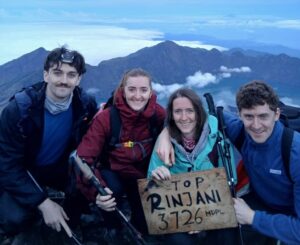
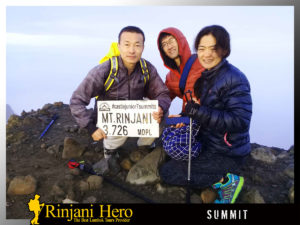
However, Rinjani is Indonesia’s second highest volcano at 3,726 meters above sea level, making it a physically demanding trek. Hikers face steep ascents, loose volcanic sand, cold temperatures, strong winds, and long trekking hours. According to many traveler reviews on Tripadvisor, the biggest challenge is not technical climbing but endurance and preparation.
For this reason, safety starts long before you arrive at the trailhead.
Is Mount Rinjani Safe for Beginners?
Yes, beginners can hike Rinjani safely, but they should choose routes that match their fitness level.
According to Rinjani Hero’s beginner trekking recommendations, first time hikers are often better suited to the Senaru Crater Rim trek rather than the summit route. The summit climb involves a steep pre dawn ascent on loose volcanic sand and requires good stamina.
A safer approach for beginners is to gain hiking experience gradually and avoid selecting the most demanding itinerary simply because it is popular.
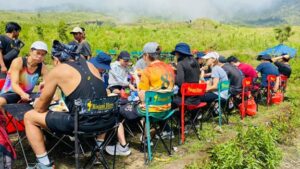
Why a Guide Is Important for Rinjani Safety
A professional Mount Rinjani trekking guide plays a critical role in safety.
Guides help with:
- Route navigation
- Pace management
- Weather assessment
- Health monitoring
- Emergency coordination
- National park procedures
According to local trekking operators and national park regulations, guides also assist with registration and trek monitoring systems, helping authorities track hikers on the mountain.
Even experienced hikers can underestimate Rinjani’s terrain and weather conditions, making local knowledge extremely valuable.
The Role of Porters During the Trek
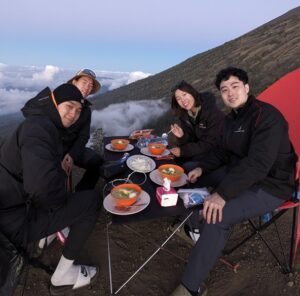
Porters contribute significantly to both comfort and safety.
They typically carry:
- Tents
- Food supplies
- Cooking equipment
- Water logistics
- Camping gear
By reducing the weight hikers carry, porters help minimize fatigue, one of the main causes of trekking difficulties on Rinjani. They also prepare campsites and meals, allowing hikers to conserve energy for the trail.
What Tripadvisor Reviews Say About Safety?
Many Tripadvisor reviews highlight the importance of experienced guides and porters during Rinjani treks.
Common feedback includes:
- Better confidence on difficult sections
- Strong support during summit attempts
- Well organized camps and meals
- Improved safety through local guidance
At the same time, reviewers consistently mention that Rinjani should not be underestimated and that physical preparation is essential.
Common Safety Challenges on Mount Rinjani
1. Summit Difficulty
The summit push begins before sunrise and involves steep volcanic sand. Many hikers describe this as the toughest section of the trek.
2. Loose Volcanic Sand
Near the summit, every step can slide backward, increasing fatigue and slowing progress.
3. Cold Temperatures
Night temperatures can drop significantly despite Lombok’s tropical climate. Proper layers are essential.
4. Long Trekking Hours
Depending on the itinerary, hikers may walk 6–12 hours per day.
5. Rapid Weather Changes
Fog, rain, and strong winds can reduce visibility and make trails more challenging.
6. Exposed Trails
Routes such as Torean include narrow paths, rocky terrain, and sections requiring extra caution.
How We Help Make the Trek Safer?
At Rinjani Hero, our safety approach includes:
- Route briefings before departure
- Fitness-based itinerary recommendations
- Experienced local guides
- Porter support
- Quality camping equipment
- Weather and trail monitoring
- Trekking pace management
We also encourage hikers to communicate openly if they feel exhausted, unwell, or uncomfortable during the trek.
Guide and Porter Ratio
A well organized trek should have adequate guide and porter support.
Before booking, ask:
- How many guides are included?
- How many porters support the group?
- Is trekking insurance required?
- Is national park registration included?
- What happens if a hiker cannot continue?
These questions help assess whether an operator prioritizes safety.
Safety Tips Before Hiking Mount Rinjani
- Choose the right route. Select an itinerary based on your fitness level, not just your goals.
- Train before the trek. Walking, jogging, stair climbing, and day hikes can significantly improve trekking performance.
- Bring proper gear. Essential items include: Trekking shoes, warm jacket, rain gear, headlamp, sunscreen, personal medication.
- Stay hydrated. Dehydration increases fatigue and reduces physical performance.
- Listen to your guide. Guides understand trail conditions and weather patterns better than most visitors.
- Pace yourself. Most trekking difficulties come from exhaustion rather than technical hazards.
Is Mount Rinjani Safe Without a Guide?
We do not recommend hiking Rinjani without a guide.
Besides navigation challenges, guides assist with logistics, weather decisions, emergency response, and communication with local authorities. For international visitors, guided treks also simplify permits, transportation, food, and camping arrangements.
At Rinjani Hero, we help hikers choose suitable routes, prepare properly, and trek with experienced local guides and porters.
Contact us via WhatsApp to discuss the safest Mount Rinjani trekking package based on your fitness level and travel plans.
FAQ About Mount Rinjani Safety
Is Mount Rinjani safe to hike?
Yes, when you prepare properly, choose the right route, and trek with experienced guides.
Is Mount Rinjani safe for beginners?
Yes. Beginners should start with easier routes such as Senaru Crater Rim and avoid overestimating their abilities.
Do we need a guide for Mount Rinjani?
Strongly recommended. Guides improve navigation, safety, logistics, and emergency preparedness.
What do porters do during the trek?
They carry camping equipment, food, cooking gear, and help manage campsite logistics.
Is the Rinjani summit dangerous?
The summit is physically demanding due to steep volcanic sand, cold temperatures, and long trekking hours.
Is the Torean route safe?
Yes, but it includes narrow and rocky sections, making guide support highly advisable.
What is the most important safety tip for Rinjani?
Choose a route that matches your fitness level and always follow your guide’s instructions.